Selecting the Access Order
When a query references more than one table, the optimization process becomes more complex, because the optimizer must choose between different methods to access each table, and the order in which to access them. Many access methods rely only on the values specified in the conditional expression for the needed data. However, some access methods (those associated with join predicates) require that other tables have already been accessed. This places constraints on the possible orderings. Access methods available at the first step in the plan are those that do not depend on any other tables.
For possible access methods at the first plan step, the optimizer chooses the method with the lowest cost from a list of possible methods sorted by cost. The accessed table is then marked as bound. The access methods available at the next step in the plan include the choices from the first step for the other tables, plus those methods that depend on the table bound by the first step. These too are ordered by cost. The optimizer continues in this manner until methods have been chosen for all steps in the plan. It then selects the method with the next highest cost and recursively evaluates a new plan. At any point in the process, if the plan being evaluated exceeds the total cost of the current best complete plan, that plan is abandoned and another is chosen. A flowchart of the optimizer algorithm is given in Figure 10.
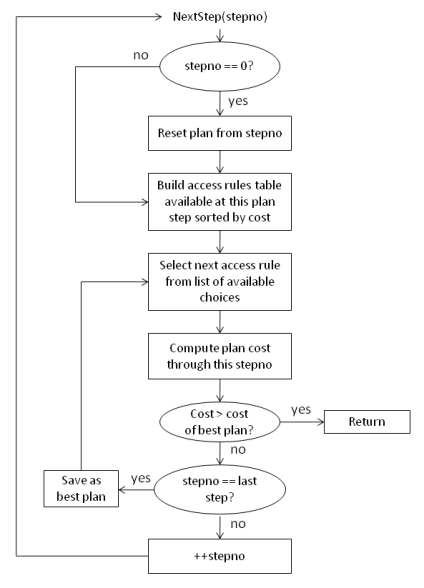
Figure 10 - Optimizer Algorithm Flowchart